
Woo Stories
WOO Stories: Beyond Patterns
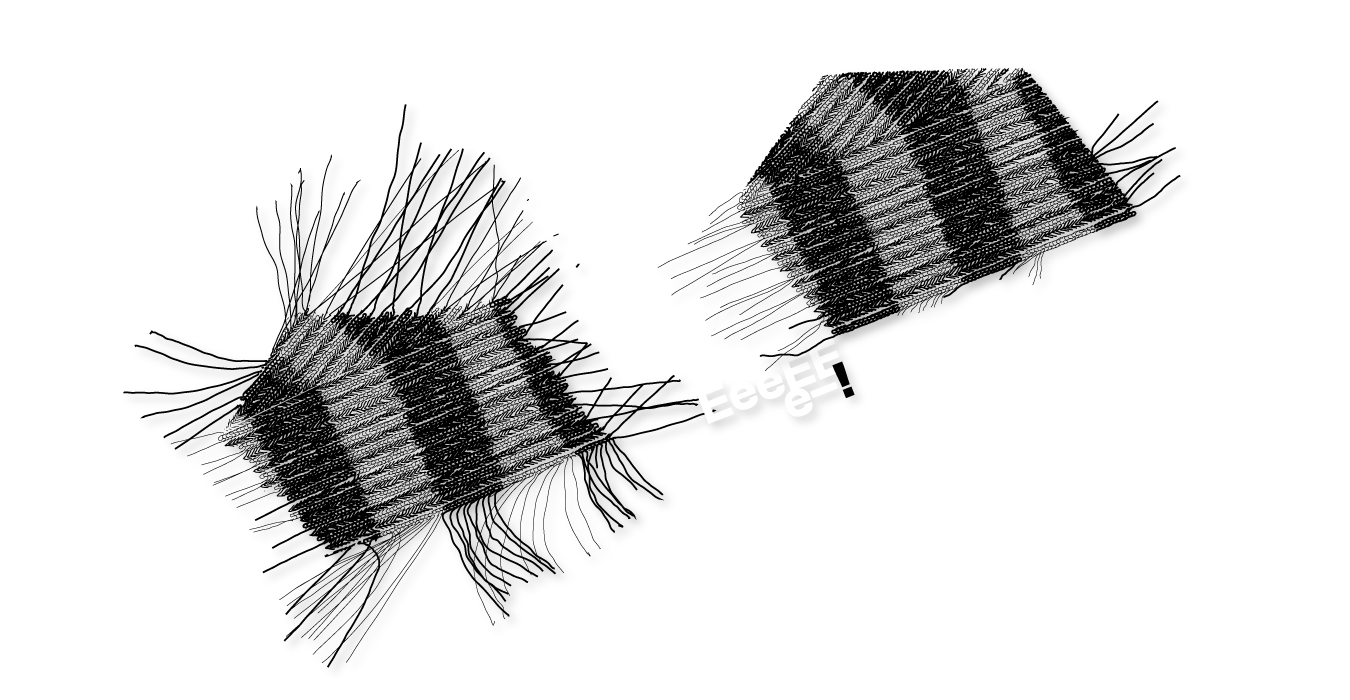
WOO Stories, an exploration of patterns—visual, cultural and emotional. Inspired by my mother’s handknitting, I translated her designs into digital forms, transforming a domestic craft into a medium for conceptual storytelling. These knitted forms evolved into independent WOO characters, navigating the space between societal constraints and self-determination.
WOO Stories reimagines handknitting across two mediums: digital work and experimental animation. Digital compositions, whether viewed on screen or in print, shift the visual expectations of traditional knitting, transforming patterns into forms and stories. Animations extend these possibilities further, allowing forms to become figures that move, interact and inhabit space with a greater sense of autonomy.
The work explores the interplay of structure and autonomy. Digital forms reinterpret knitted patterns, while animated figures move within and beyond controlled grids such as two-page spreads, page edges and gutters. Their actions are informed by internal logic rather than imposed norms, pushing expression beyond conventional limits. This tension between limitation and choice reflects broader cultural, linguistic and inherited frameworks.
As a graphic designer and educator, it has been important for me to translate the hand-knitting tradition into a new form, using my vocation as a means of personal expression that can also resonate widely. Equally vital has been expressing the psychological experience of hand-knitting in ways that are both tangible and visual. The repetitive, tactile process fosters calmness and focus, creating space for memories and emotions to surface, and for societal patterns to take shape in unexpected ways.
LEARN MORE:
- A&L MAG
- Behind the Work
- A&L Studio
WOO Stories reimagines handknitting across two mediums: digital work and experimental animation. Digital compositions, whether viewed on screen or in print, shift the visual expectations of traditional knitting, transforming patterns into forms and stories. Animations extend these possibilities further, allowing forms to become figures that move, interact and inhabit space with a greater sense of autonomy.
The work explores the interplay of structure and autonomy. Digital forms reinterpret knitted patterns, while animated figures move within and beyond controlled grids such as two-page spreads, page edges and gutters. Their actions are informed by internal logic rather than imposed norms, pushing expression beyond conventional limits. This tension between limitation and choice reflects broader cultural, linguistic and inherited frameworks.
As a graphic designer and educator, it has been important for me to translate the hand-knitting tradition into a new form, using my vocation as a means of personal expression that can also resonate widely. Equally vital has been expressing the psychological experience of hand-knitting in ways that are both tangible and visual. The repetitive, tactile process fosters calmness and focus, creating space for memories and emotions to surface, and for societal patterns to take shape in unexpected ways.
LEARN MORE:
- A&L MAG
- Behind the Work
- A&L Studio